%201.png)
How Colorado's Outdoors Supports Trauma Recovery
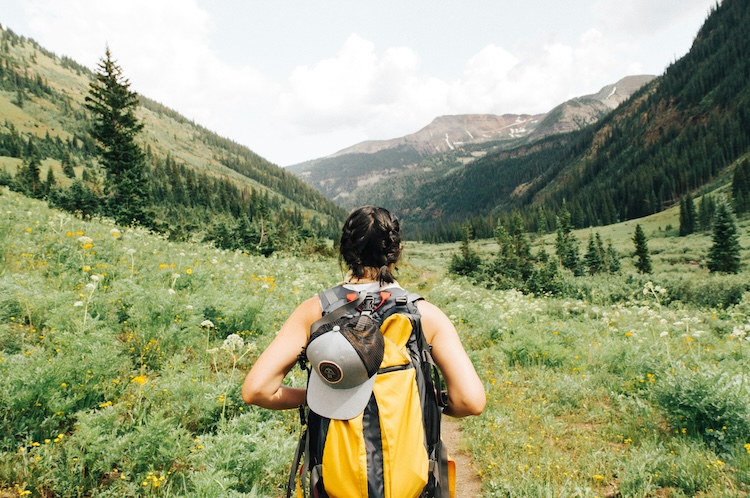
For someone recovering from trauma, healing does not always happen by sitting in a therapist's office and talking through difficult experiences. While therapy can be an important part of recovery, healing often involves reconnecting with the body, learning to feel safe again, and finding healthy ways to manage stress and difficult emotions. For many people, Colorado's outdoors can provide a powerful environment for that process.
The connection between the outdoors and mental health has become increasingly recognized as people look for ways to support emotional well-being. Colorado offers something especially unique: access to mountains, trails, forests, rivers, and open spaces that can encourage movement, mindfulness, and connection. When combined with professional treatment, spending time outdoors can become a meaningful part of a trauma recovery journey.
The Connection Between the Outdoors and Mental Health
Trauma can leave the nervous system feeling as though it is constantly on alert. Even when a person is physically safe, their body may continue responding as though danger is present. This can contribute to anxiety, tension, difficulty sleeping, irritability, and feeling disconnected from the present moment.
Spending time in nature may provide an opportunity to slow down and reconnect with the present. The sounds of trees moving in the wind, the feeling of the ground beneath your feet, or the sight of mountains in the distance can encourage a person to focus on what is happening around them rather than becoming consumed by intrusive thoughts.
This is one reason the relationship between the outdoors and mental health is so important. Nature does not replace therapy or medical treatment, but it can create an environment that supports relaxation, mindfulness, and emotional regulation.
Why Colorado Can Be Especially Helpful
Colorado provides countless opportunities to incorporate nature into everyday life. Whether someone prefers a quiet walk through a neighborhood trail, a hike in the foothills, or time sitting beside a mountain lake, there are many ways to experience the outdoors without needing to be an experienced athlete.
For trauma survivors, having options can be important. Recovery does not have to mean climbing a fourteen-thousand-foot peak. Sometimes healing begins with simply stepping outside and noticing the environment around you.
Grounding Techniques for Trauma in Nature
Grounding is an important skill for people experiencing trauma-related anxiety or emotional overwhelm. Grounding techniques for trauma are designed to help bring attention away from distressing thoughts or memories and back to the present moment.
Nature can make grounding particularly accessible because there are so many sensory experiences available.
Using Your Five Senses
One simple approach is to notice what you can see, hear, smell, touch, and even taste while outside. You might notice the texture of tree bark, listen to birds, feel the temperature of the air, or pay attention to the colors surrounding you.
These grounding techniques can help shift attention toward the present moment. Instead of focusing entirely on what happened in the past or worrying about what might happen in the future, you can begin noticing what is happening right now.
The goal is not to force difficult emotions away. Instead, grounding can help create enough stability to recognize those emotions without becoming completely overwhelmed by them.
How Hiking Can Support Mental Health
Physical movement can also play an important role in emotional well-being. Hiking combines movement, fresh air, sensory stimulation, and time away from everyday distractions. For someone working through trauma, these elements can provide an opportunity to reconnect with their body in a positive and intentional way.
Choosing to hike for mental health does not require a challenging trail or a long-distance adventure. A short, manageable walk can be enough to create a sense of accomplishment and connection.
Start Small and Focus on the Experience
When you hike for mental health, the goal does not have to be reaching a particular destination. Instead, focus on the experience itself. Notice your breathing, pay attention to your surroundings, and allow yourself to move at a comfortable pace.
For some trauma survivors, reconnecting with the body can feel uncomfortable at first. Gentle movement can provide an opportunity to build trust with the body while gradually developing a greater sense of safety.
Outdoor Therapy in Colorado
For some individuals, simply spending time outdoors may not be enough to address the effects of trauma. However, incorporating nature into professional treatment can offer another avenue for healing. This is where outdoor therapy Colorado programs and therapists may be helpful.
Outdoor therapy can take many forms. Depending on the provider and treatment approach, therapy may incorporate walking, mindfulness exercises, wilderness experiences, or other activities in an outdoor setting.
Nature-Based Therapies for Trauma
Nature-based therapies for trauma recognize that healing can involve more than simply talking about difficult experiences. Nature may provide a calming environment where individuals can practice emotional regulation, mindfulness, movement, and connection.
These approaches should be guided by appropriately trained professionals, particularly when working with significant trauma. The goal is not to use nature as a replacement for evidence-based mental health care, but to thoughtfully incorporate the environment into a broader treatment plan.
Creating Your Own Outdoor Healing Practice
You do not necessarily need a formal outdoor therapy program to begin incorporating nature into your wellness routine. A few minutes outside each day can provide an opportunity to pause and reconnect with yourself.
You might take a quiet morning walk, sit in a park without your phone, practice breathing exercises on a trail, or spend time noticing the landscape around you. Over time, these small practices can become part of a larger routine focused on emotional regulation and self-care.
For people recovering from trauma, consistency can matter more than intensity. You do not have to push yourself beyond your comfort zone. The goal is to create experiences that feel safe, manageable, and supportive.
Finding Healing in Colorado's Outdoors
Trauma recovery is rarely a straight line. Some days may feel easier than others, and different strategies may be helpful at different stages of healing. Therapy, supportive relationships, healthy routines, movement, and time in nature can all play different roles.
Colorado's natural environment provides a unique opportunity to step away from daily stress and reconnect with the present. Whether through grounding techniques for trauma, choosing to hike for mental health, exploring outdoor therapy Colorado programs, or learning more about nature-based therapies for trauma, the outdoors can become a meaningful part of the healing process.
Ultimately, nature is not a cure for trauma. But it can offer something many trauma survivors desperately need: a place to slow down, breathe, reconnect with their bodies, and experience moments of safety in the present. With the right support and a personalized approach, Colorado's outdoors can become more than a beautiful backdrop—it can become part of the journey toward healing.
We want to be able to walk with you on this journey. Snyder Therapy specializes in trauma-informed care that gets to the root and not just the surface. Reach out today to take the first step and schedule a consultation with us. We are here for you!
Subscribe to my newsletter
Get informative articles and resources right in your inbox.


